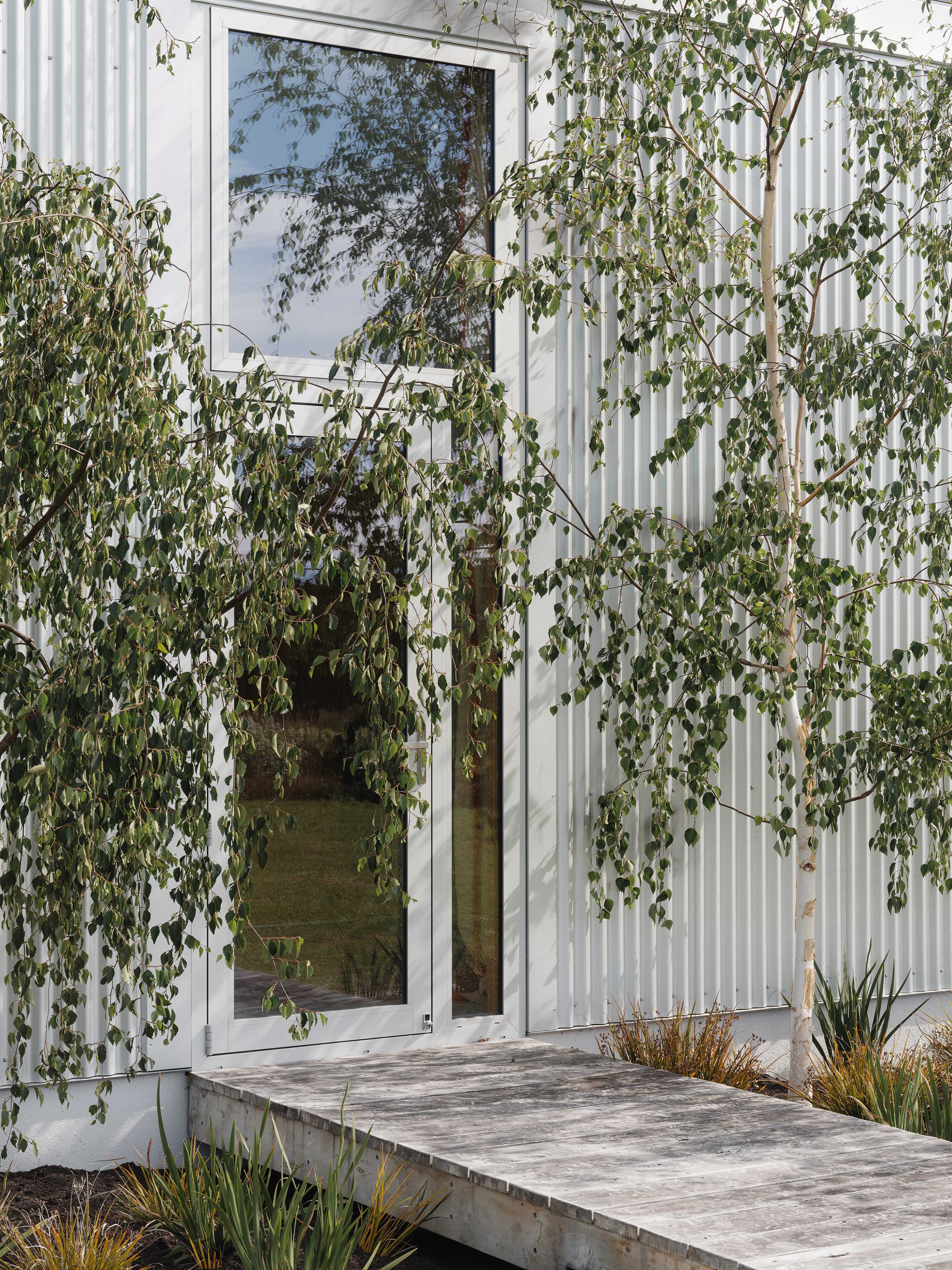
To listen to a playlist inspired by Charlotte Ryan inspired by this house, click here. Spacecraft Architects’ Tim Gittos and Caro Robertson have made something of a habit of designing economical but creative homes, often for people who are building for the first time. Part of their success has been in boiling things down to their essence, then finding unique ways to put them back together. And that often involves reminding their clients there is a certain amount of luxury, even privilege, in living in a new, architecturally designed house, and that they might not need all of the things people say they do – including second bathrooms.
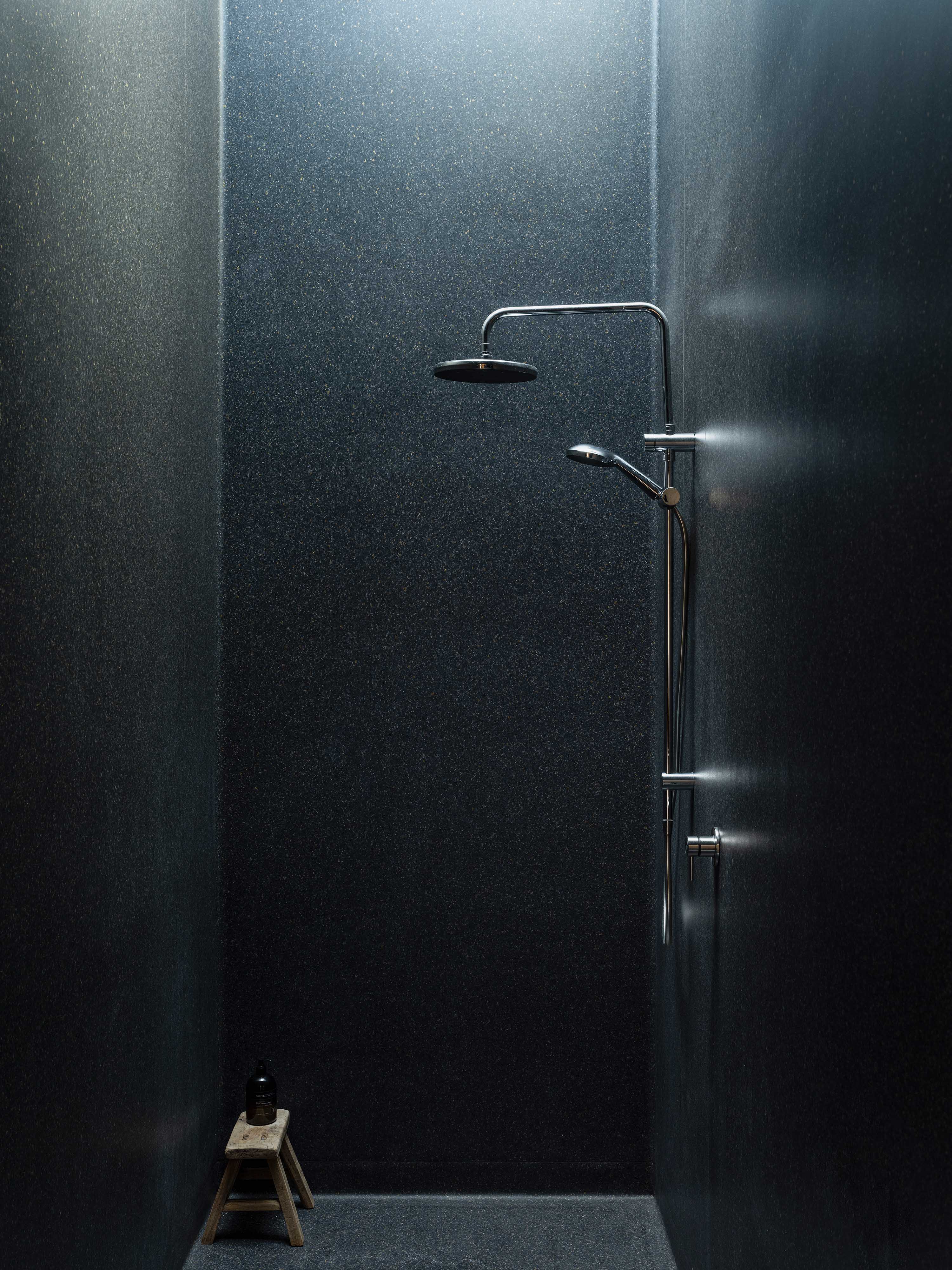
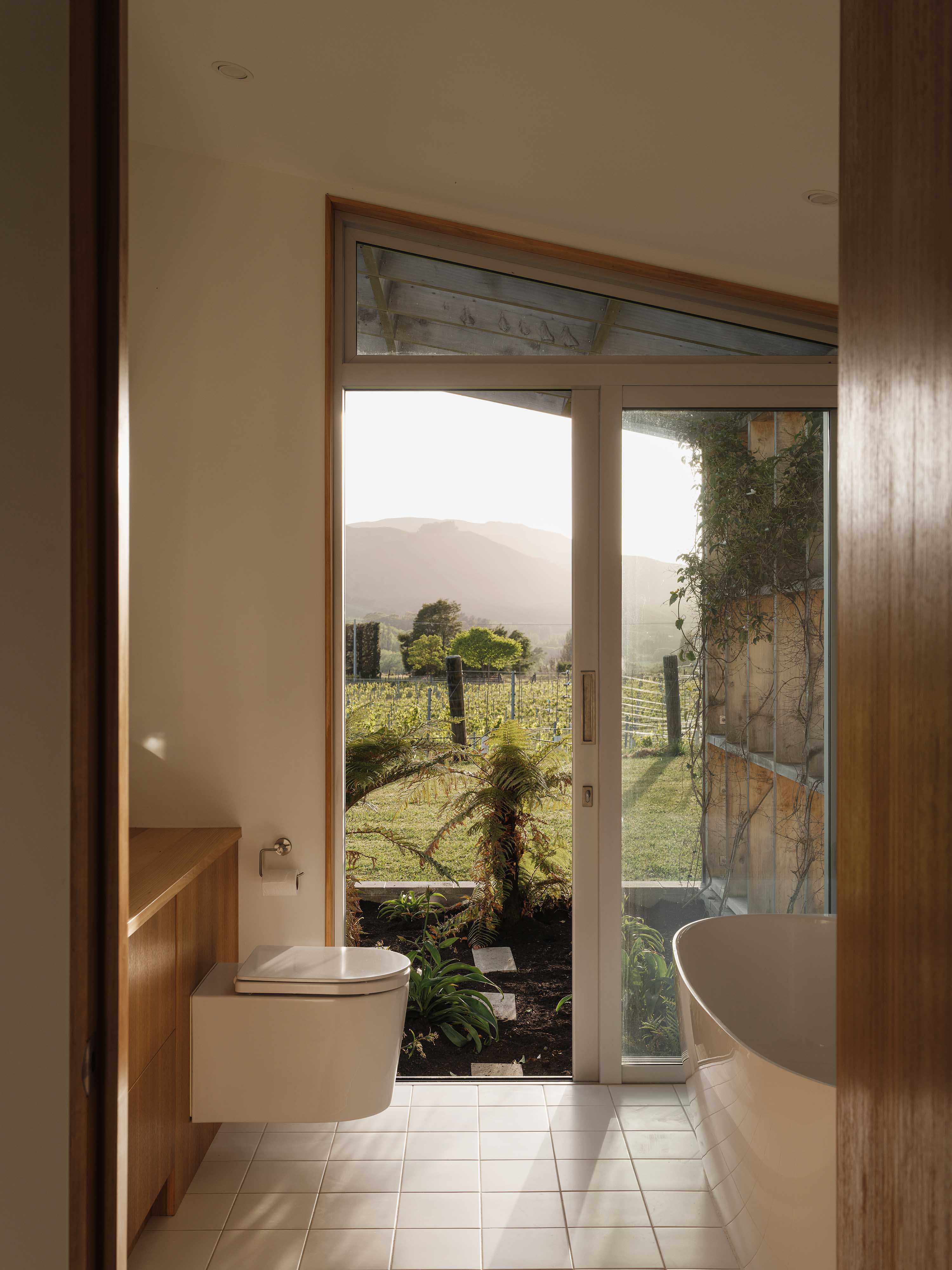
However, when it came to building a house for a couple in a paddock in Wharekaka Martinborough, they softened a bit. This one has two bathrooms – one of them is dark and cavelike, with only a skylight, and the other is open and expansive, with doors leading to a garden and looking out over vines in the near distance and hills on the horizon. Each bathroom fits the individual bathing habits of the owners: one loved the idea of being open to the land, the other didn’t. So they got one each. “I know, lavish, eh?” says Tim Gittos, laughing when I tease him about it. “There’s a garage too.”
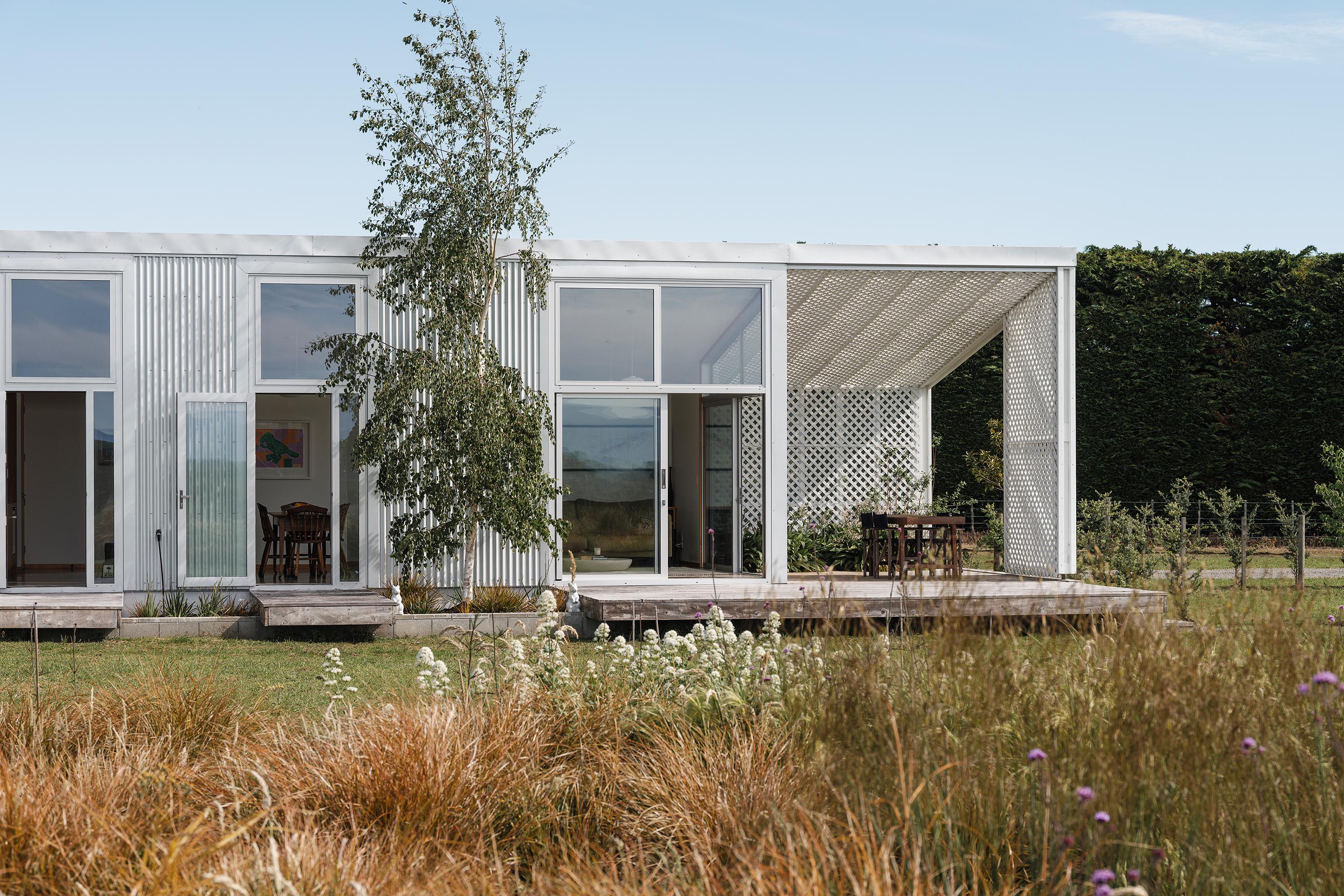
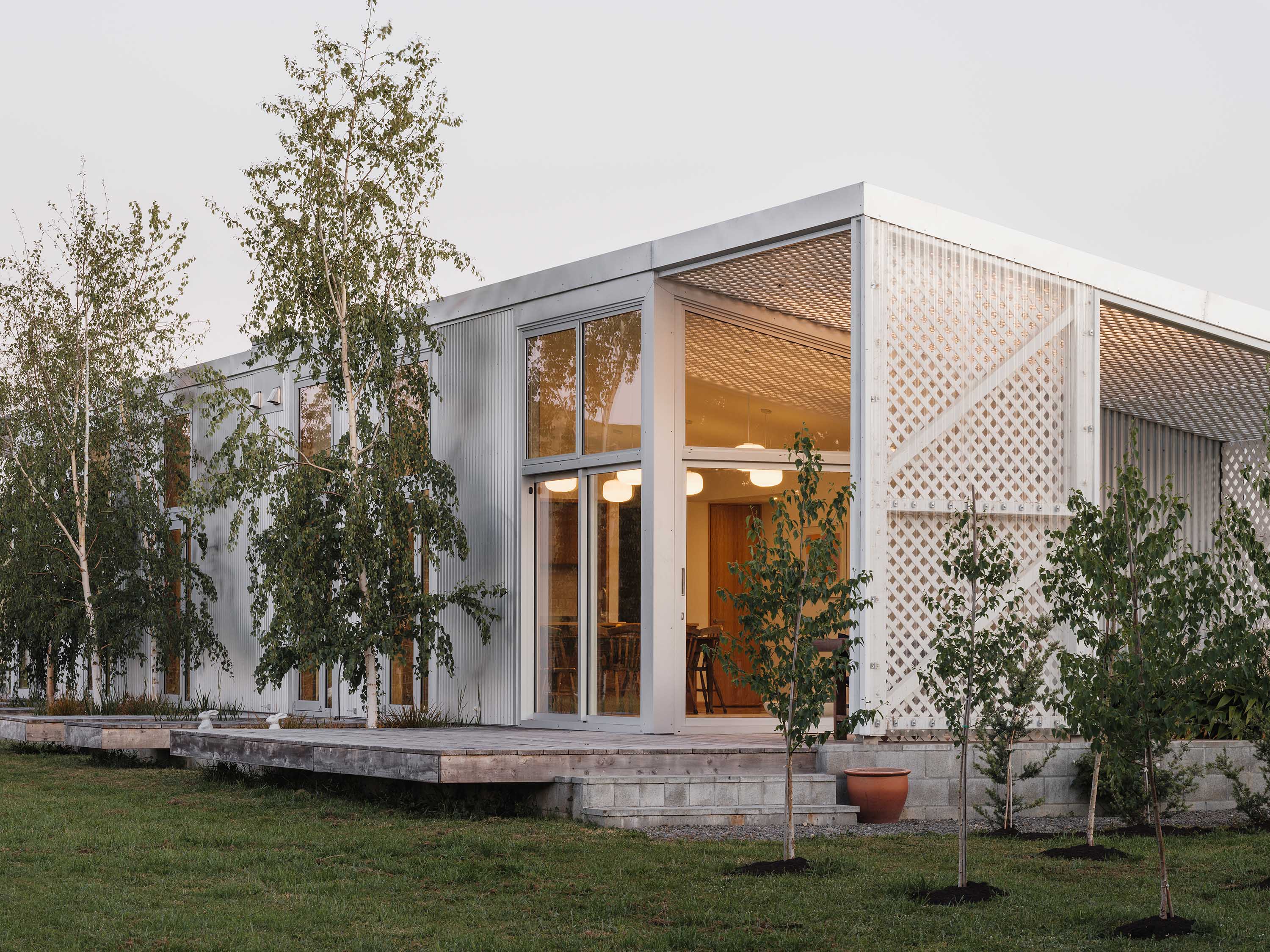
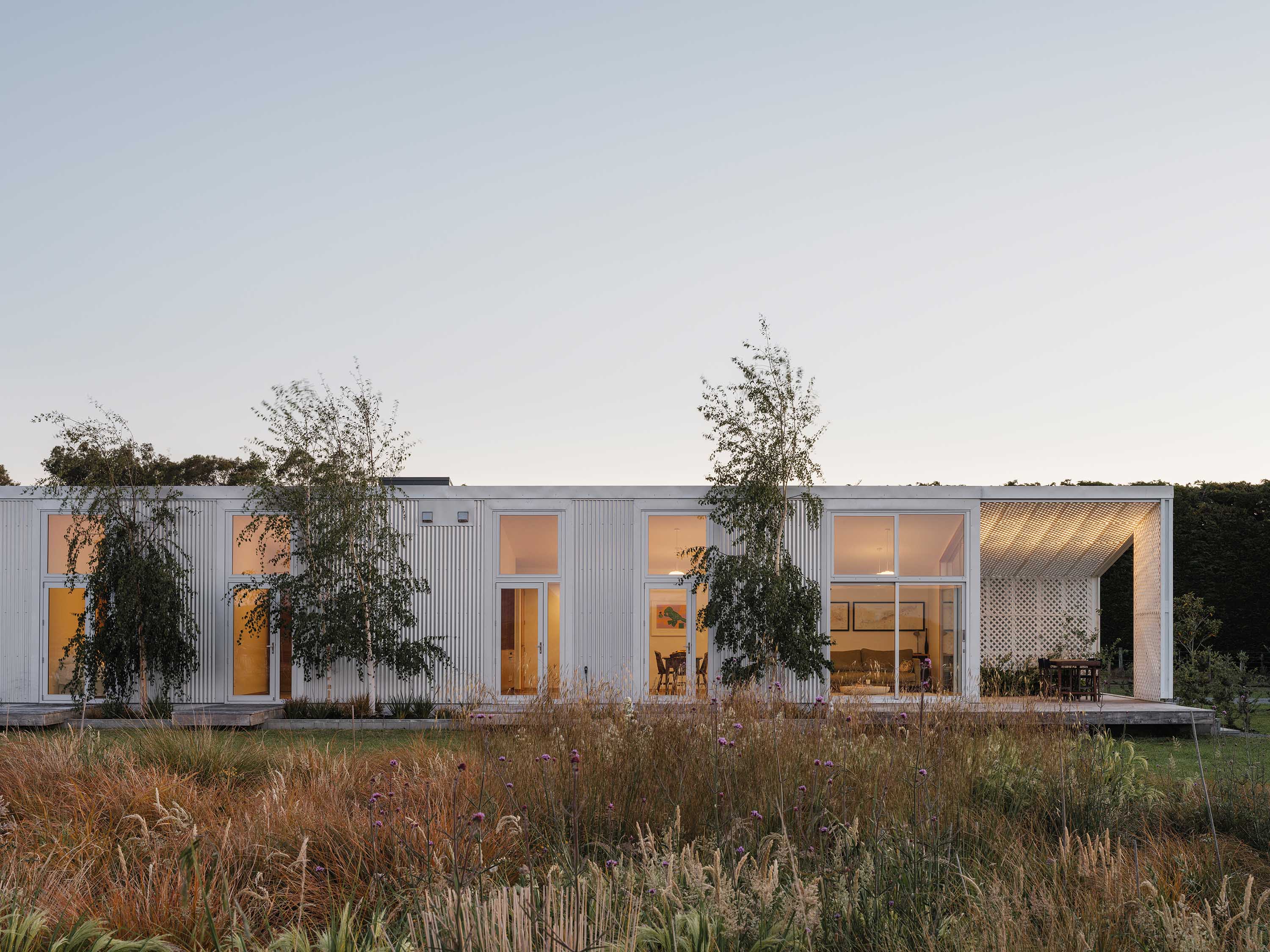
It’s part of a dance this house does between pragmatism and comfort: it’s an exercise in casual, easygoing simplicity. “We played around with lots more complex stuff in the early stages,” says Gittos, “but then we realised, really, when you’re trying to save money, and north is straight out there, you can be this simple.” They proposed a long rectangle with covered outdoor spaces at either end, and access to the outdoors from almost every room.
The house sits on land in rural Wairarapa. It’s a working property, with 1.2 hectares of grapes planted in pinot noir and chardonnay. “We just really liked the site,” says one of the owners. “It’s got a really nice view and a different topography with a gentle slope.” Early discussions around where to put the house came second to their plans for the land. At the bottom, on the slope, the ground is free-draining alluvial gravels, which are good for grapes, while the top is clay. The placement also needed to ensure there was plenty of room around the house for tractor access to grapes. “They basically worked out where it would be bad to grow things on the site, and that’s where the house went,” says Gittos. “Which was pretty nice really.”
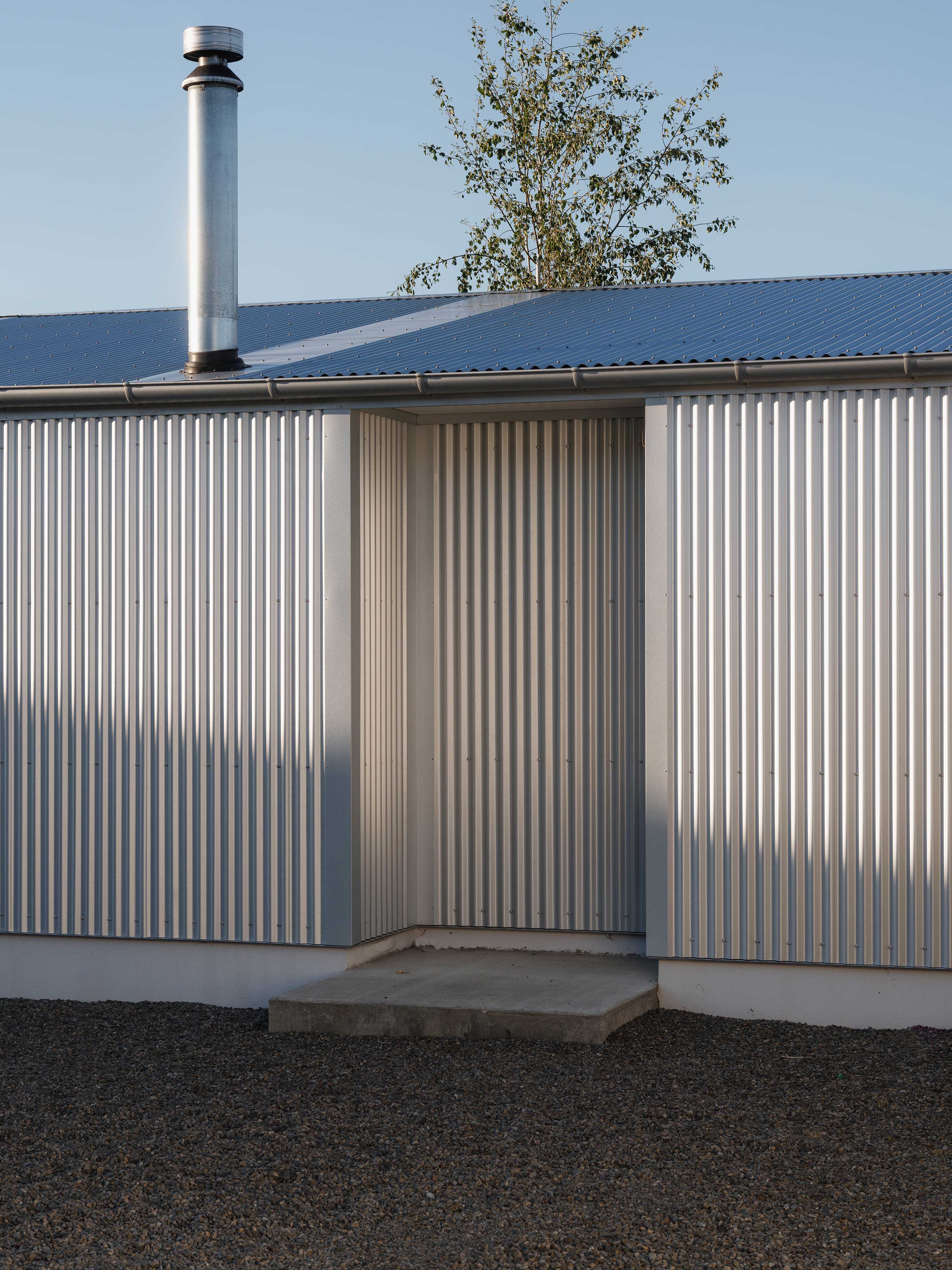
That spot turned out to be tucked in the south-western corner of the site, facing north, on a slight escarpment. To create an entrance, they cut a hole in the shelterbelt, and formed a driveway that comes in behind the house where you’re held between the house and the garage. Here, it’s all squares, circles and triangles: the garage, round concrete tanks, then the house. The back of the house has no windows at all, and the entrance is set into a blank enclosure. Eventually, planting to the side of the house will obscure any view of the wider property. “You don’t get a sense of the house or the site at all until you come inside,” says Gittos. “That’s when you find out where you are.”
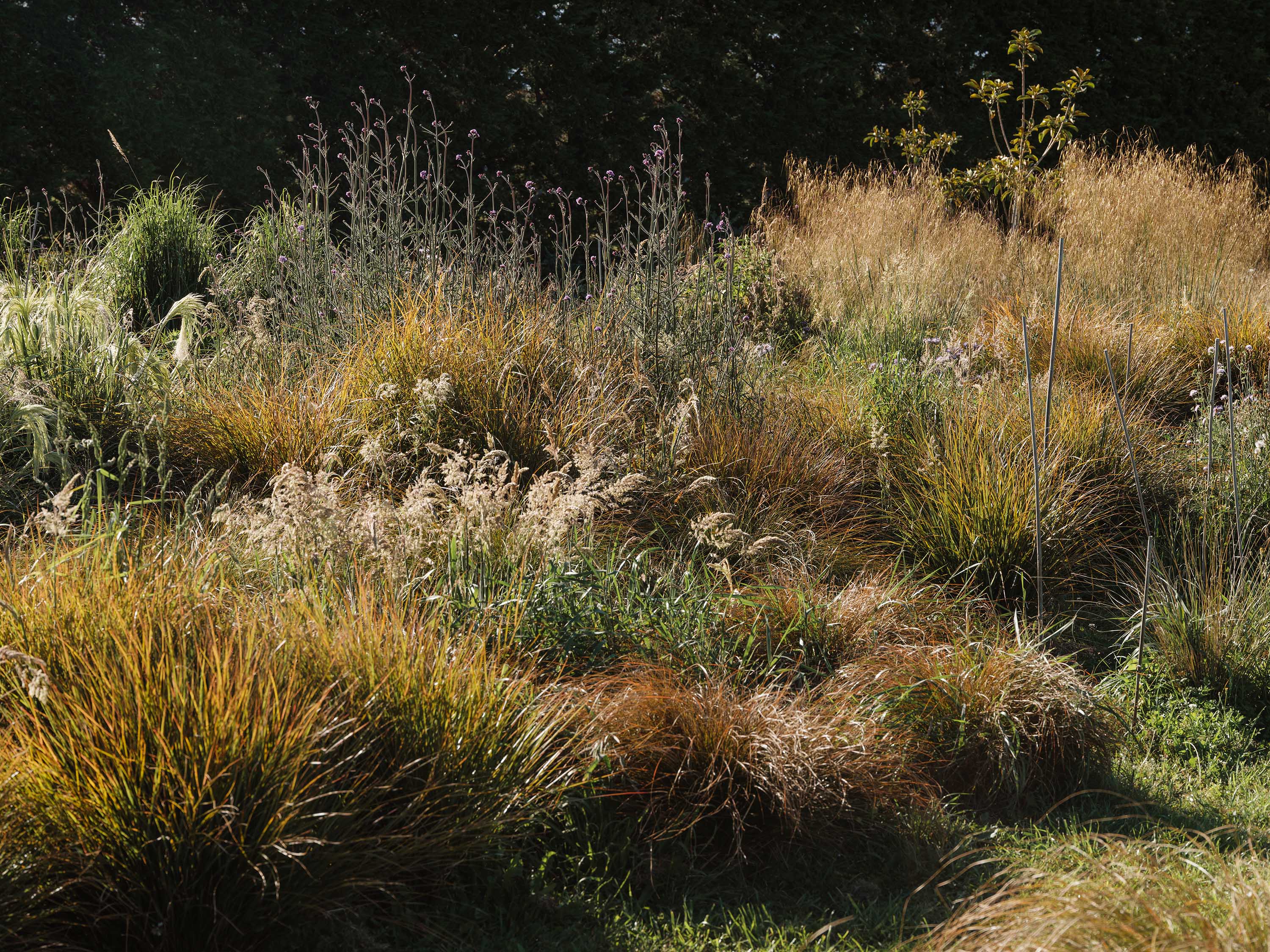
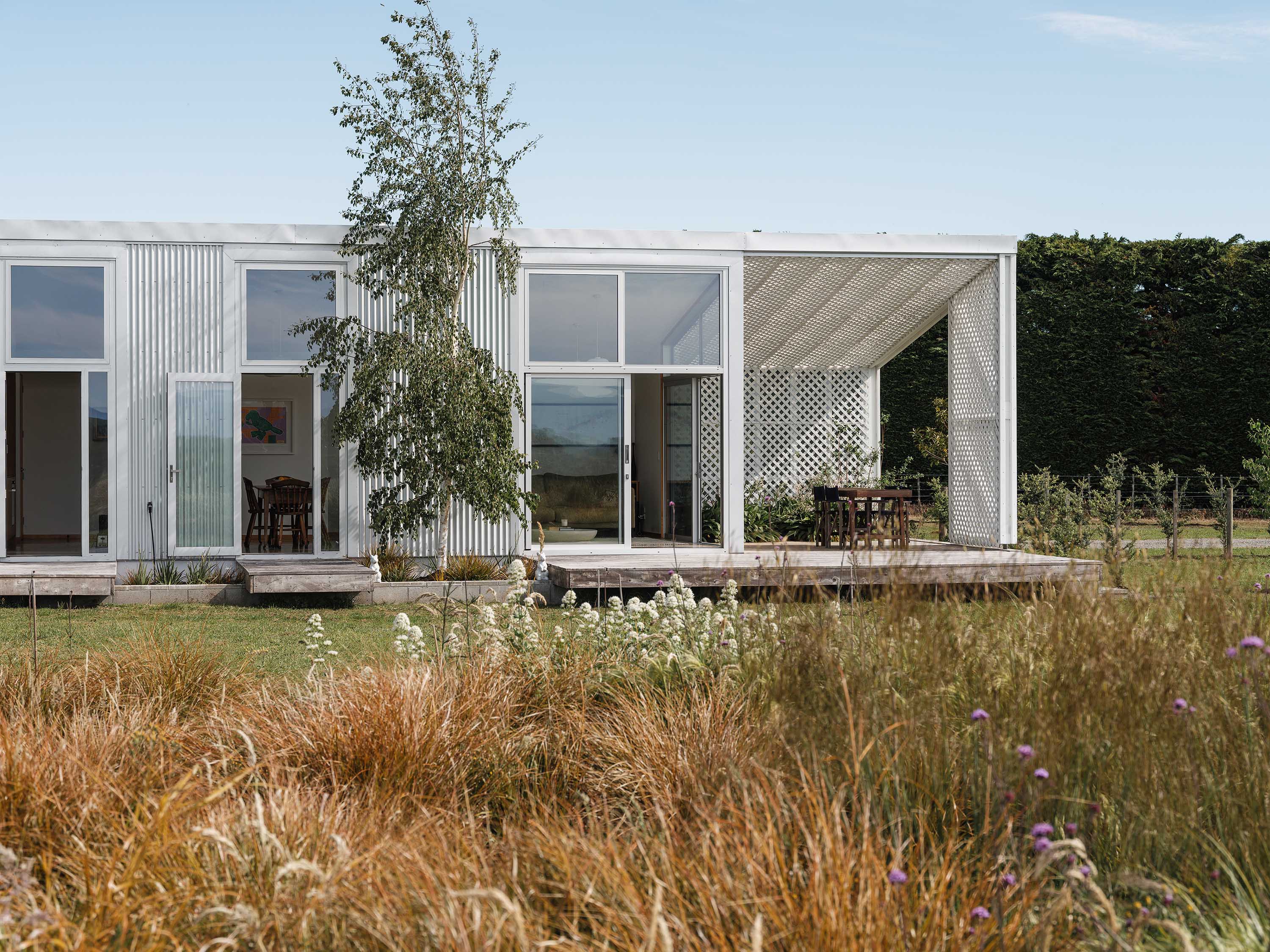
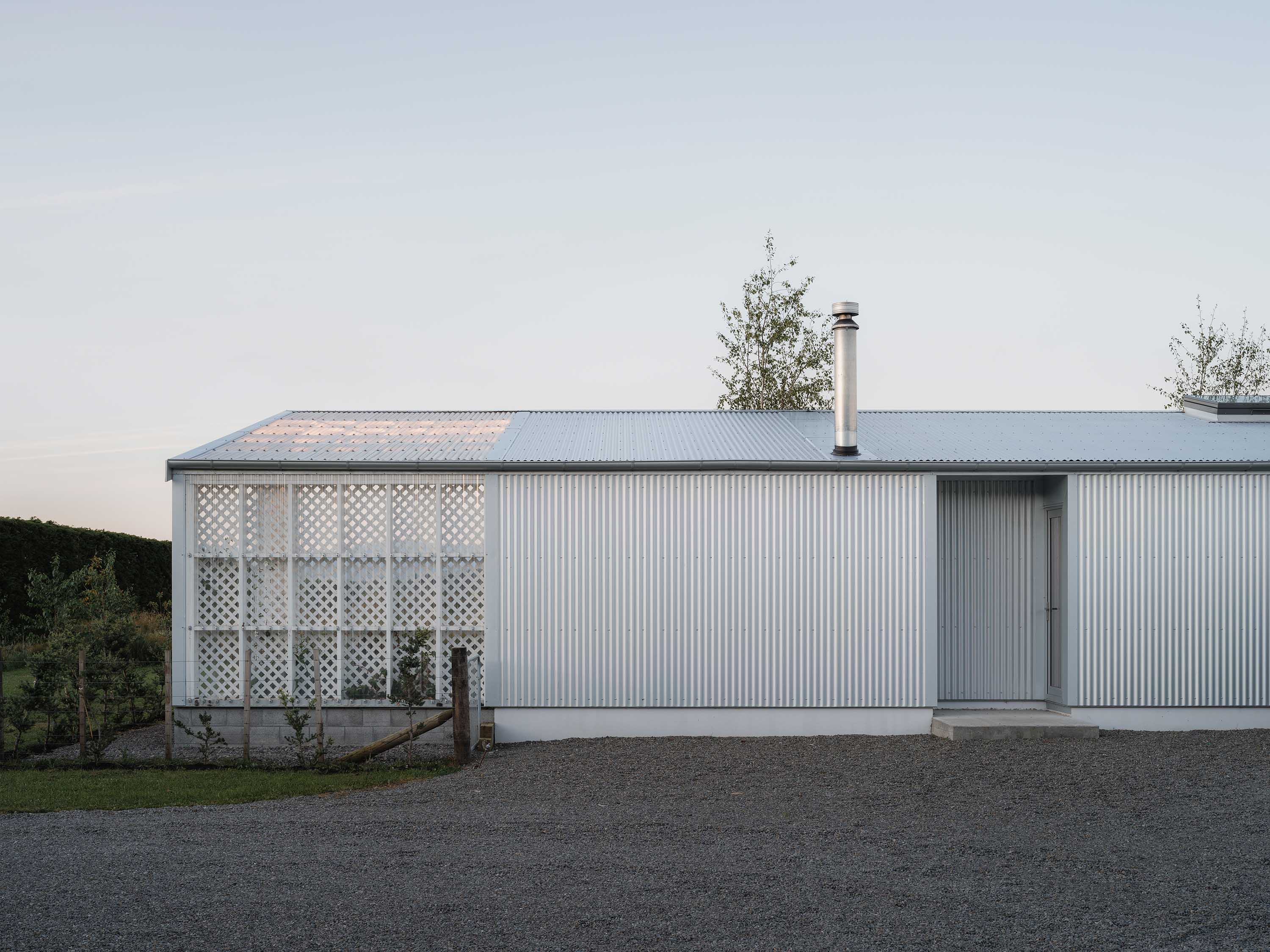
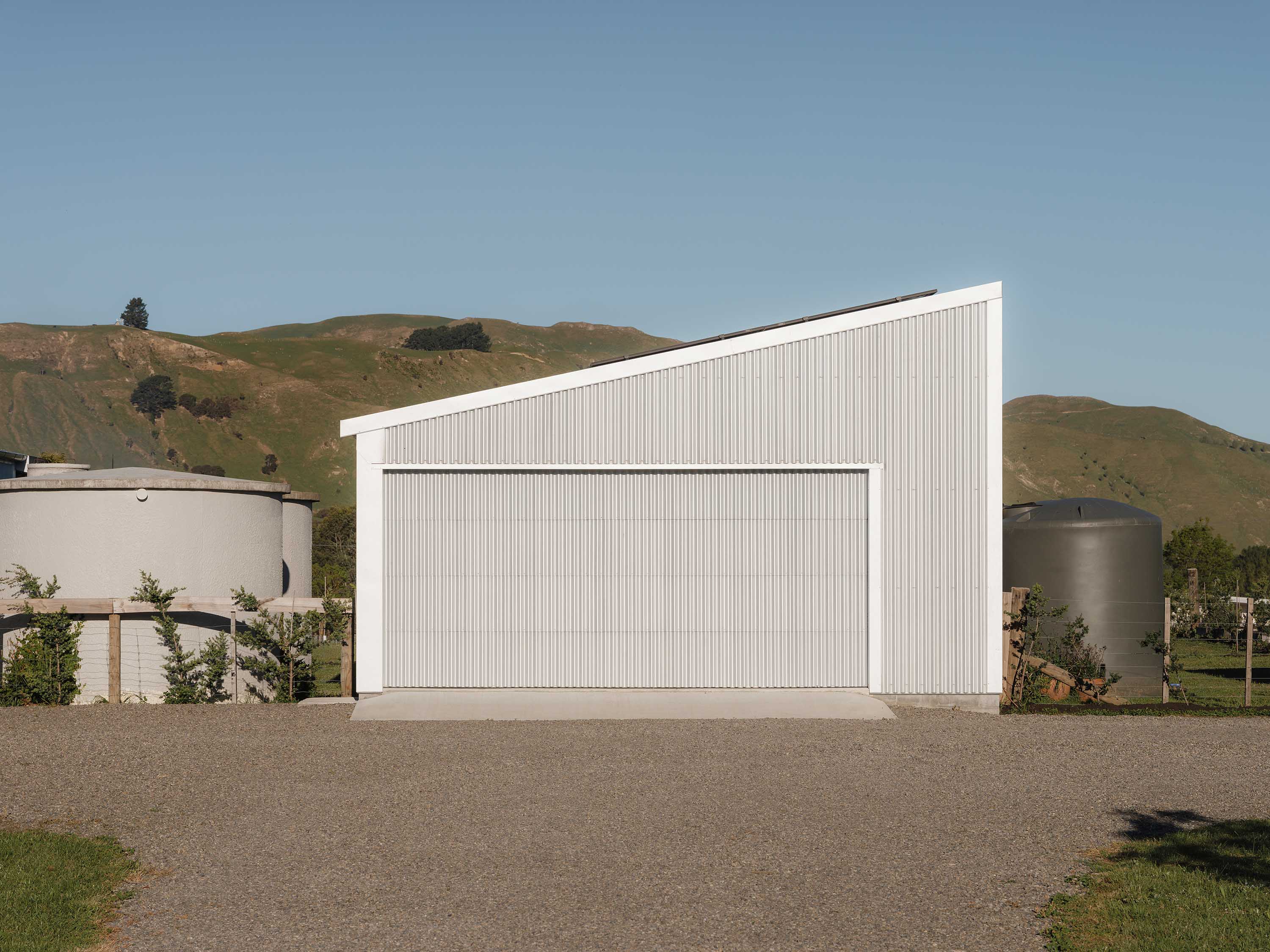
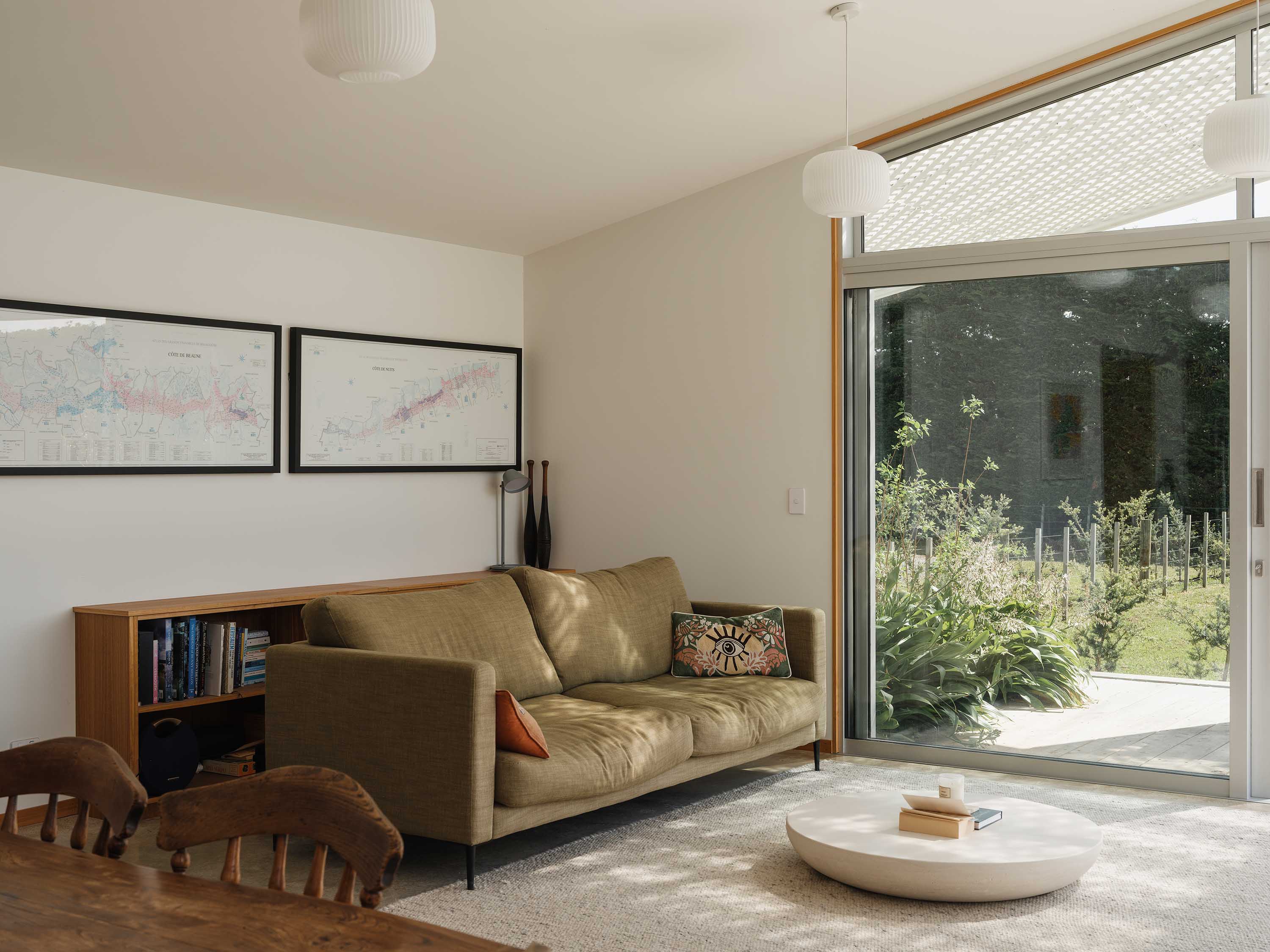
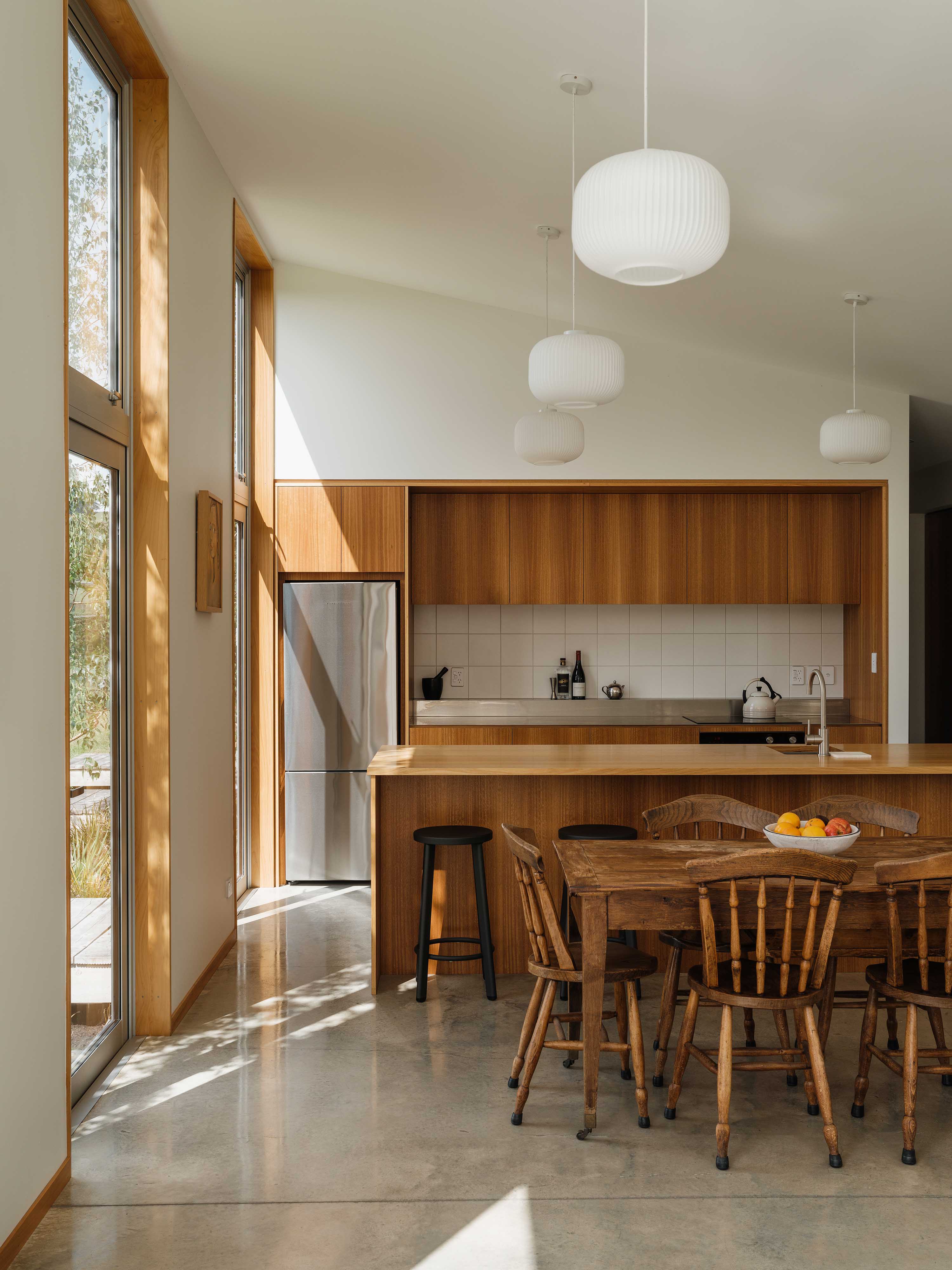
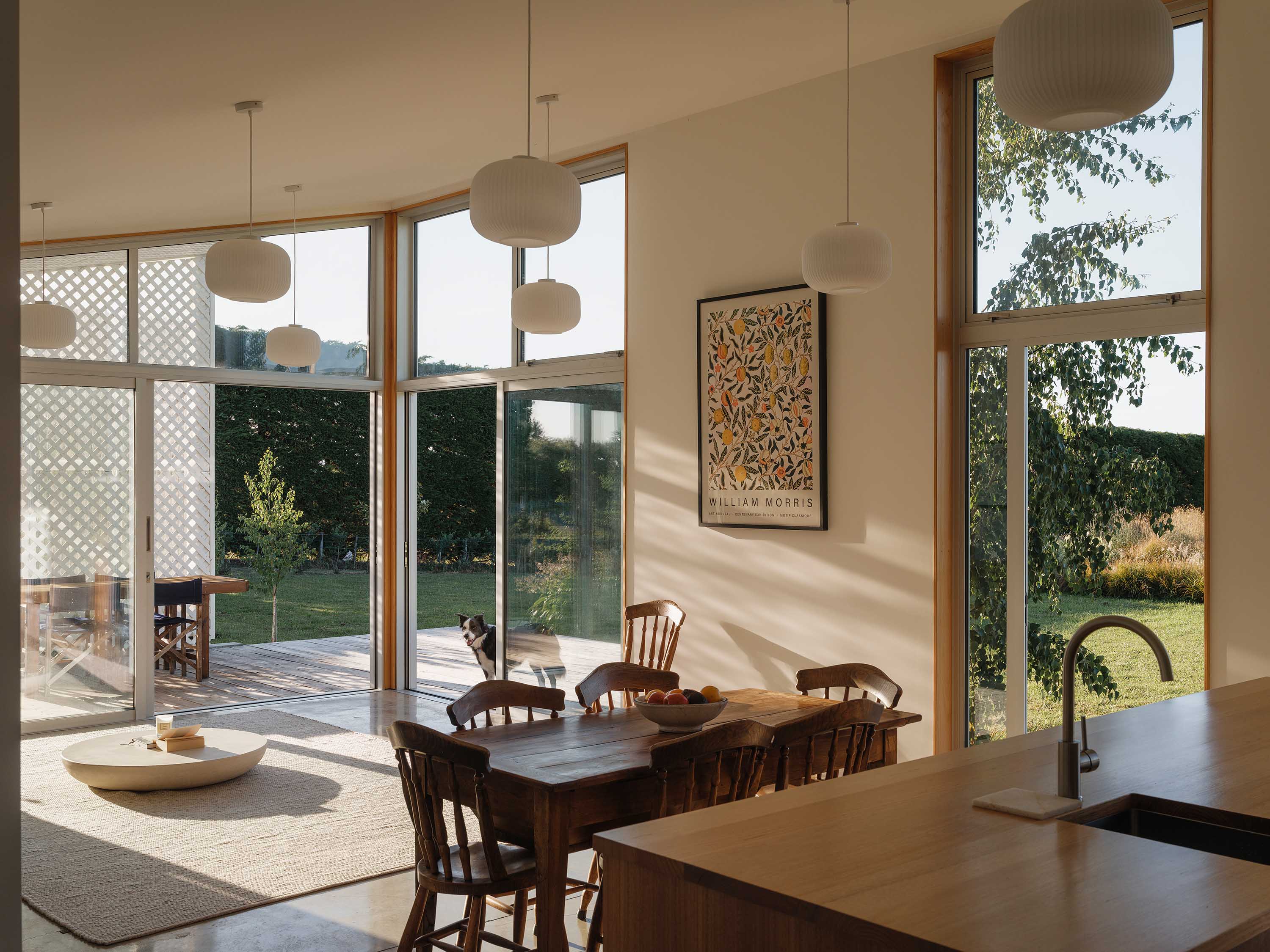
Once inside, it’s a simple, pragmatic programme; three bedrooms and two bathrooms strung out to the east; an open-plan living room to the west. What makes this house special, despite all the pragmatism, is the way Gittos and Robertson have feathered the edges, softly mediating the transition between the house and what is still very much a working paddock. As anyone who has visited in spring knows, the Wairarapa can be incredibly windy, and it’s also very hot in summer: a relentless, stifling kind of heat that is good for grapes, but less inviting for humans.
At either end of the house, sheltered outdoor areas mediate the transition between indoors and out. At the eastern, morning end, there’s a pergola off the bathroom and main bedroom. To the west, there’s a covered space, shrouded in standard diagonal trellis, painted white. “We’re obsessed with that idea of creating dappled light without going full noise on the detail,” says Gittos. Instead, these standard elements create shade and enclosure.
Similarly, rather than a long, wide – and no doubt unusable – deck along the front of the house, the architects created a series of jetties leading out from each room. These sit between the concrete slab and a simple concrete-block retaining wall. Creating individual foundations for each deck would have been prohibitively expensive, and this simple gesture also creates pockets of planting in between the platforms. Inside the block wall you might consider domestic space; outside is a working paddock. “I find it really weird when you’re driving through rural New Zealand and there’s these houses with no garden, in a field,” says Gittos. “It’s like, don’t you want to tame it a little bit?”
This house was built by a local contractor, whom the owners had worked with on building a shed for their business. The approach didn’t faze Gittos and Robertson – in fact, it’s familiar territory for them. “Many of our clients don’t require an architectural builder,” says Gittos. “Often, architectural builders need to intensely manage the architect and the client, and everything that happens in between. But if you don’t need that, you don’t want to pay for it – and if we’ve done our job right, there shouldn’t be much for the builder to come back to us with questions on.”
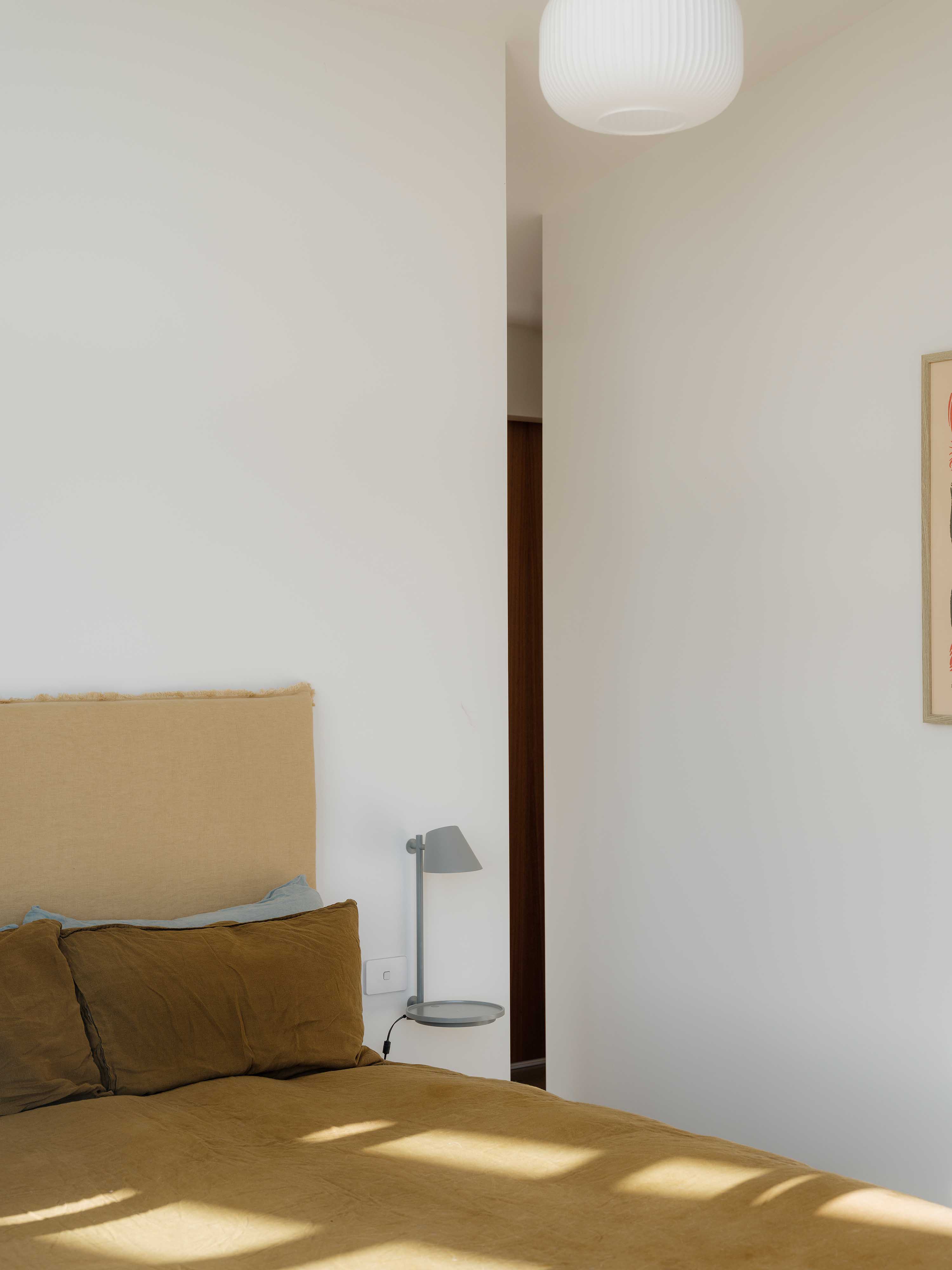
Here, materials are simple, but well detailed. Cabinetry in warm timber tones creates a soft, polished interior. “We really liked their use of cost-effective materials, but using them in an interesting way,” says one owner describing Spacecraft’s approach. “We both said it would be cool to have a house that looked like a shed from the outside, but was quite different inside. It keeps that vernacular.”
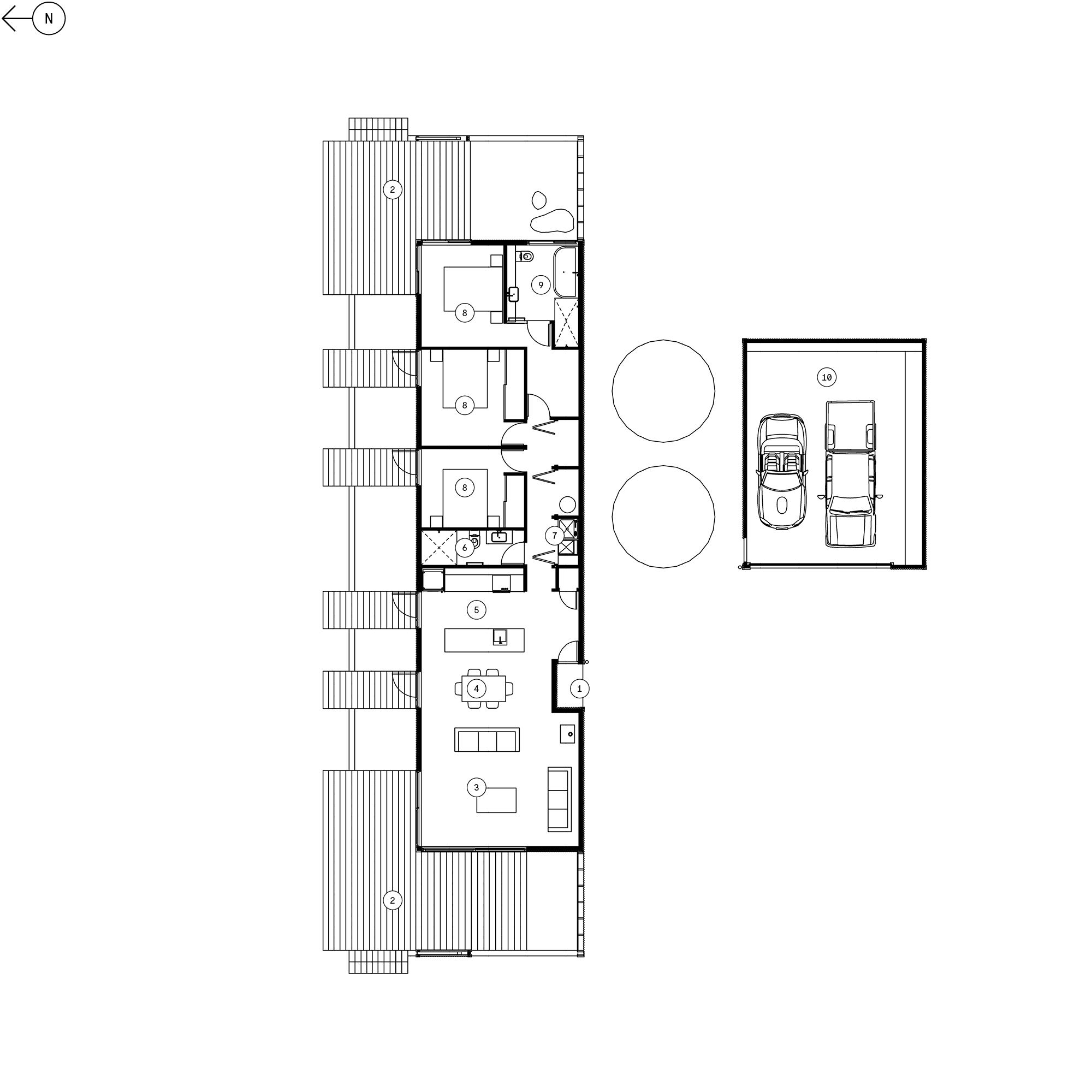
1. Entrance
2. Deck
3. Living
4. Dining
5. Kitchen
6. Bathroom
7. Laundry
8. Bedroom
9. Ensuite
10. Garage
Related Stories: